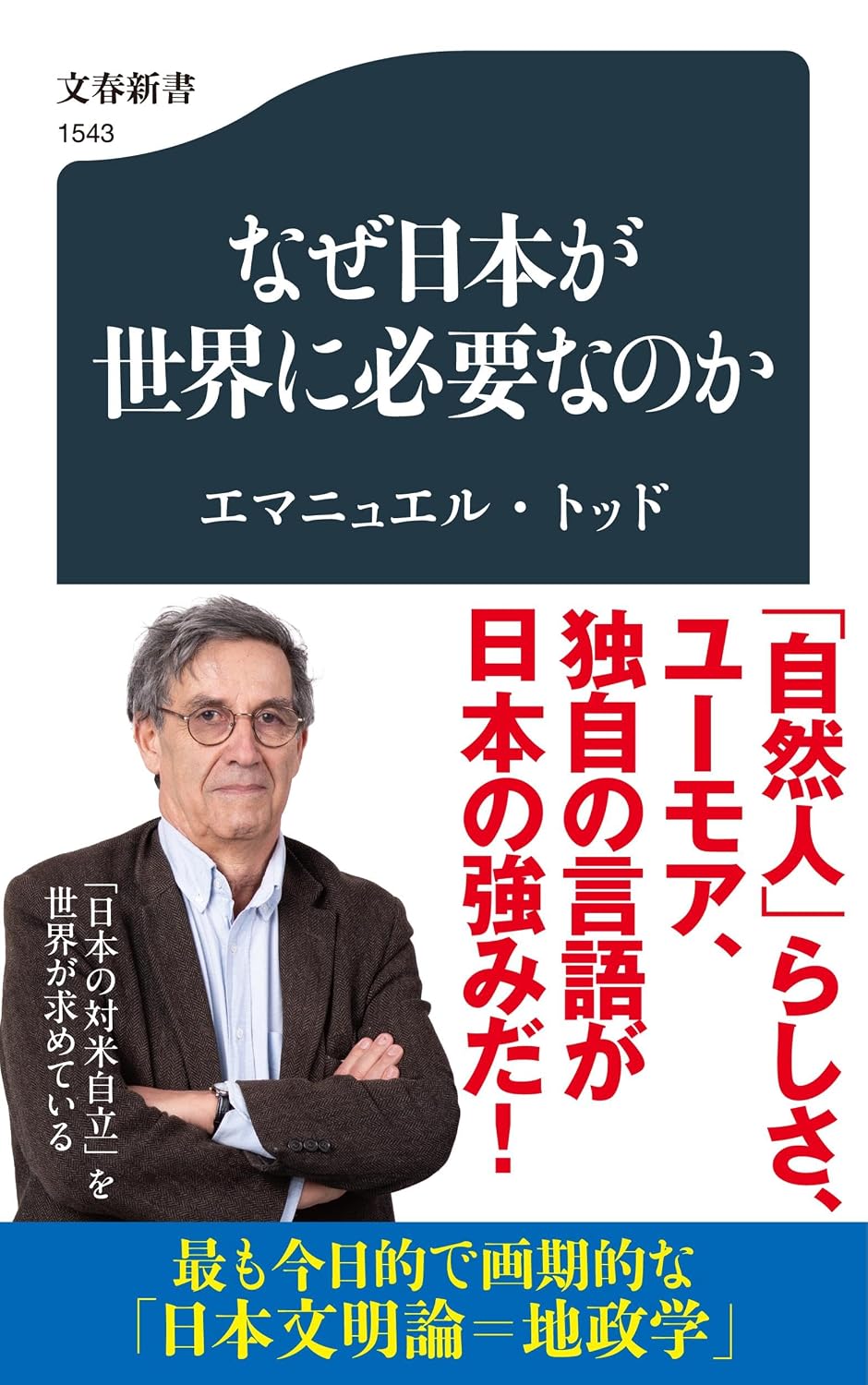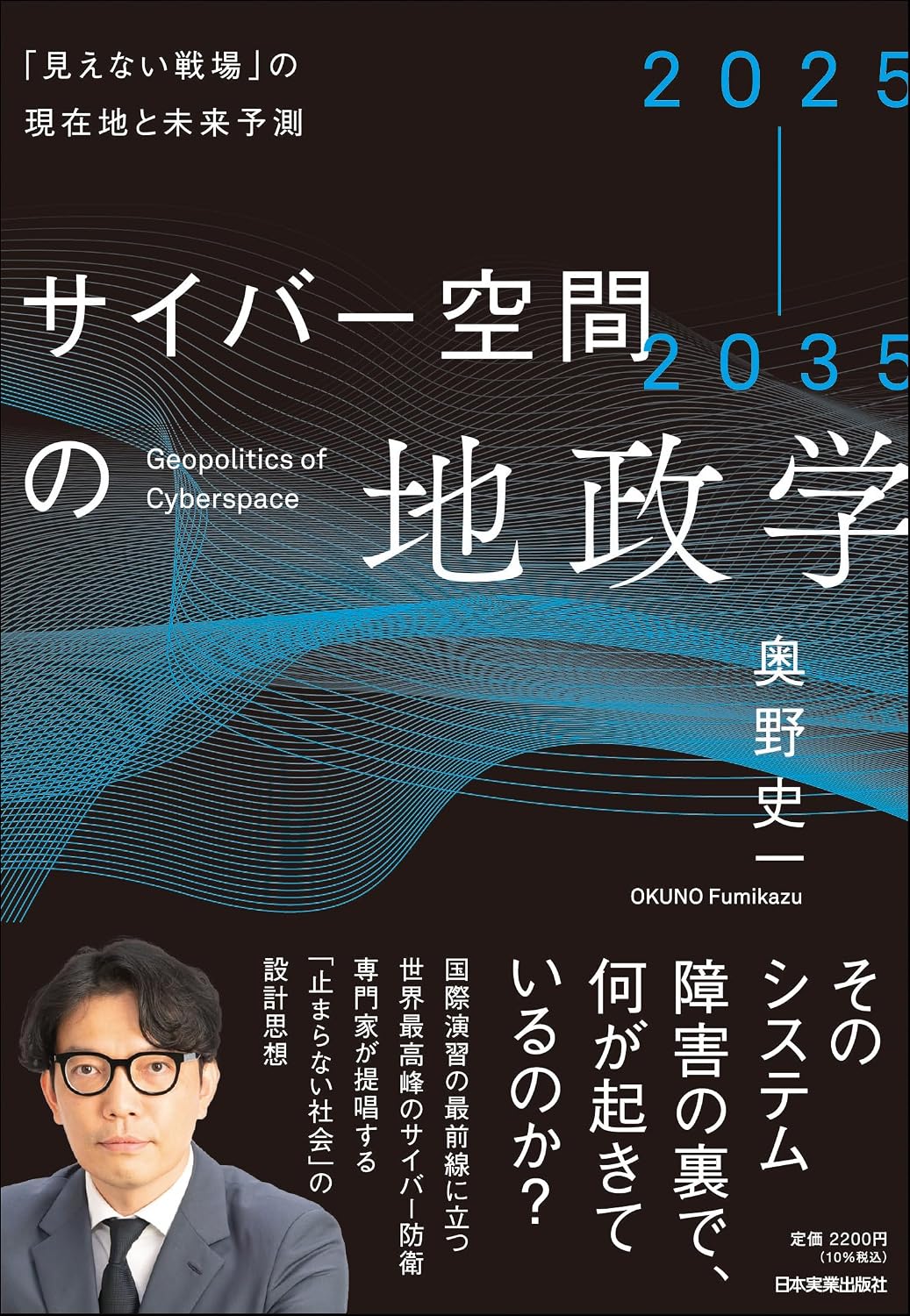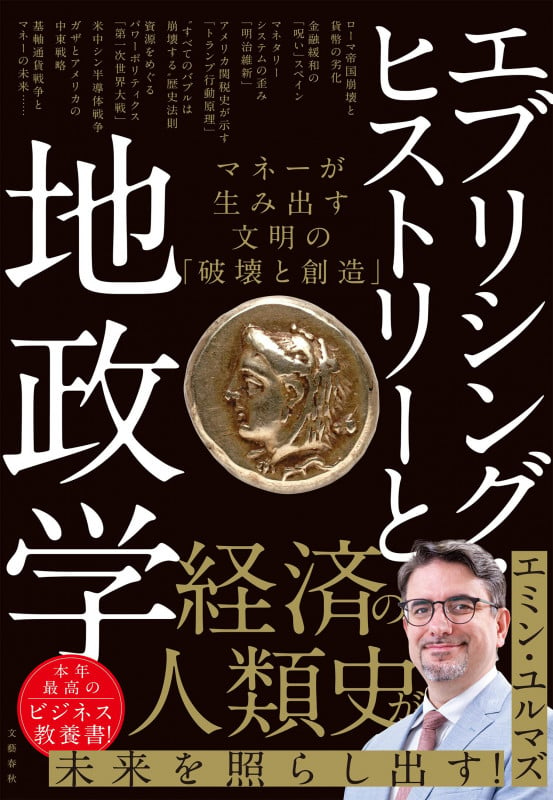
・Money drives people to limitless abundance and wealth, which is an accelerator of human desires, and has often become a destructive energy that creates serious disparities and wars. Meanwhile, the efficiency of exchange brought about by money has given value to human labor, dramatically developed society, promoted global trade, accelerated technological innovation, created a new business metabolism, and has been a source of imaginative power to support cultural and artistic exchanges; money is not simply a tool of economic exchange, but has also played a role as a catalyst deeply linked to the rise and fall of civilizations (p2)
・At our office, we want to draw 4 auxiliary lines when deciphering world history: 1) resource war, 2) trade war, 3) basic currency war, 4) technology war (p5)
・Money has three universal roles: 1) a measure of value, 2) a means of exchange, and 3) preservation of value (p18)
・A democratic system of minted money was born, and the social and economic foundation for functioning was established; in society before that, much of wealth was monopolized by the hereditary aristocracy in the form of land and livestock, but rather than money, it became possible for merchants and craftsmen to accumulate wealth through their own work, and the economic status of citizens improved. Each police collected taxes with money, and since it became possible to maintain public works and the military, the power base of the aristocracy also weakened (p26)
・Basically, countries and regions that are horizontally long have geographical characteristics where there is relatively much movement due to climatic conditions, trade is easy to develop, and writing is also easy to develop. On the other hand, speaking of vertically long countries/regions, South America and the African continent probably come to mind. While civilizations develop mainly on the Eurasian continent, the reason why modernization of South American and African countries has historically been delayed is probably also greatly influenced by geographical and climatic conditions (p32)
・The Roman Empire had advanced technology in some fields such as construction and civil engineering, but since it depended on cheap slave labor, interest in production technology was scarce. There was no investment in innovation, and since the financial foundation was placed on resources taken from the following week, there were no breakthroughs against labor shortages or financial difficulties (p35) It is certain that the major factor that accelerated the live collapse was inflation due to pockets of silver coins. Rome's economic foundation depended on unstable systems that were unsustainable in the long run, such as slavery and job exploitation (p43)
・Historically, no country has become rich by making reckless money. As Roman historical facts tell, merchants who bought and sold goods raised prices when selling goods in order to make up for the loss in monetary value (p38)
・The impact that Best has had on European society is, of course, the loss of the authority of the Church. No matter how much we pray, the lives of those around us are being taken more and more. Among them, the authority of the Christian Church and the Pope was lost, and it became a reserve force for later religious reforms. Along with that, Latin, which was used in ceremonies, declined, and English, French, and German became the main languages. The fall of religious authority was a thought that emphasized human reason and individuality, which promoted an ideological shift to anthropocentrism, and became the parent body that created art, culture, and science during the Renaissance period (p63)
・From the latter half of the 16th century to the first half of the 17th century, Spain mined huge amounts of silver from the American colonies, the Potosi Silver Mine and the Zacatecas Silver Mine. This influx of silver has had serious side effects while transforming Spain into Europe's richest nation. A rapid increase in money supply without an increase in commodity supply is the same as a different level of monetary easing within Spain. Naturally, its value as currency declined, and under a situation where wealth flowed in without effort from the colonies where inflation occurred (p90), investment and development in domestic industries were neglected, our store, where wealth was directed at importing foreign products, and huge war costs were applied due to constant wars, which finally led to Spain's financial bankruptcy (p90)
・In England, a ban on machine exports was issued in 1774, but the argument that free trade would have greater economic benefits rather than advancing colonial policy intensified, and it was partially abolished in 1825, and the machine export ban was completely abolished in 1843. Industrialization spread to other countries in this way, and the trend of the mechanical revolution spread in Belgium and France in the 1830s, Germany in the 1840s, Russia and America in the 1860s, and Japan, which achieved the Meiji Restoration, after 1868. Centering on these countries, they steered towards imperialism from the end of the 19th century to the 20th century (p110)
・People who were called Japanese wealthy merchants in the Edo period held assets in silver, so they were affected by the decline in the value of silver. Many wealthy merchants in Japan went bankrupt one after another for these reasons until the end of the Edo period, and it is thought that growing dissatisfaction with the shogunate was also thought to have been the driving force behind the Meiji Restoration, there is always an economic reason for this reason (p147)
・The year after the end of the Sino-Japanese War, Russia signed a secret agreement with Qing, promised mutual support when attacked by Japan, and obtained the right to build and transport the Toshin Railway. In 1897, Germany elected Qingdao as an excuse for the murder of a missionary and leased Jiaozhou Bay the year after being elected; Russia, which was stimulated by this, leased road orders and Dalian, England leased the Kowloon Peninsula, and France leased Guangzhou Bay (p157)
・In 1912, the British Navy, the strongest in the world, converted fuel for warships from coal to oil, making it a highly energy efficient petroleum fuel compared to coal, which increased the speed of warships and expanded their range of action (p166) Due to World War II, important tests changed from coal and steel to petroleum, aluminum, and rubber (p168)
・ The Great Depression of 1929 caused an estimated 15% drop in global GDP, a 30% drop in America, and the number of unemployed people worldwide exceeded 50 million. Incidentally, during the Lehman shock, the rate of decline in GDP was around 2.1% (179)
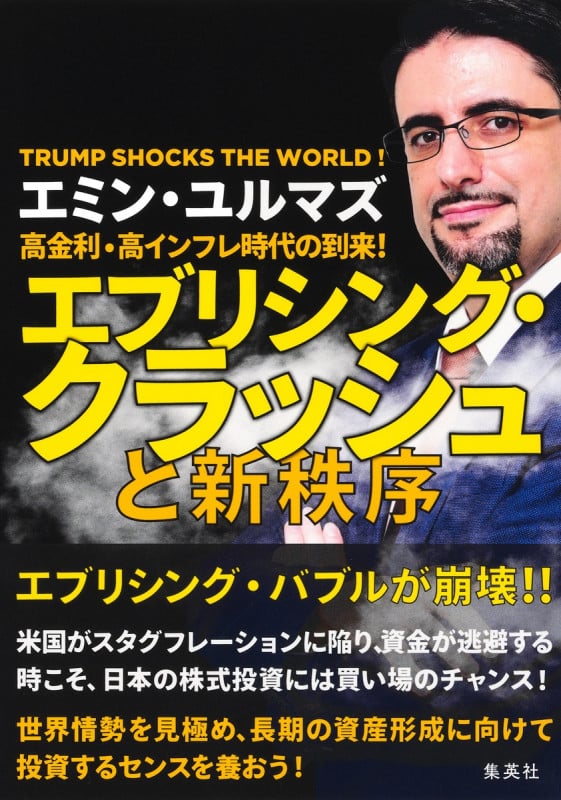
・In the midst of the Great Depression, the “Smart Holy Tariff Act” enacted by President Hoover spread the Depression and resulted in a rapid decline in world trade, which is why after World War II, America, along with 22 other countries, led the establishment of GATT in 1947, and steered into an era of free trade under the Bretton Woods system. It was decided to take the lead in making rules for multilateral world trade in the WTO, which was established in 1995. However, the current reversal of the Trump administration's tariff negotiations is proof of a return to pre-war protectionist trends by Trump, whose role model is President McKinley (p184)
・In 1933, the Nazi administration was established in Germany in response to the enthusiastic support of the public, and Hitler, who was the party leader, put into practice the breaking point of Versailles resistance and refusal to pay compensation, and Germany's war compensation became uncertain at this point, overstepped compensation (p192)
・In Japan, excessive dependence on war cost procurement through the Bank of Japan led to hyperinflation. Price inflation for rice and sugar was most serious at the end of the war, and inflation for sweet potatoes, potatoes, and eggs became most intense after the war. Based on 1934 wholesale prices, inflation of about 220 times occurred until 1949, and about 70 times when viewed on a 1945 basis (p198)
・In World War II, the United Kingdom received a total of about 50.1 billion dollars in food, oil, and military materials. It was in exchange for providing bases in Newfoundland, Bermuda, and the British West Indies (p199)
・Before President Trump officially took office as president for a second term, he set out a firm stance of imposing 100% tariffs if BRICS countries promote de-dollarization on 2024/11/30 (p219)
・I don't think Chinese semiconductors will become mainstream in the world because semiconductor manufacturing requires a very complicated supply chain. Starting with the material, there are processes such as manufacturing, cleaning, drying, and oxidation of silicon wafers used as materials for semiconductor chips, etc., and specialized companies responsible for each process work and companies that manage manufacturing equipment participate as suppliers, and some are exclusive technologies. Furthermore, companies that provide software to design semiconductors are limited and are under the umbrella of the United States (p253)
・AI is a powerful assistant for people who have basic knowledge of each genre and know what and how to ask AI questions. Conversely, for people without basic collaboration or ability to think, it becomes a tool for brain function to decline (p262)