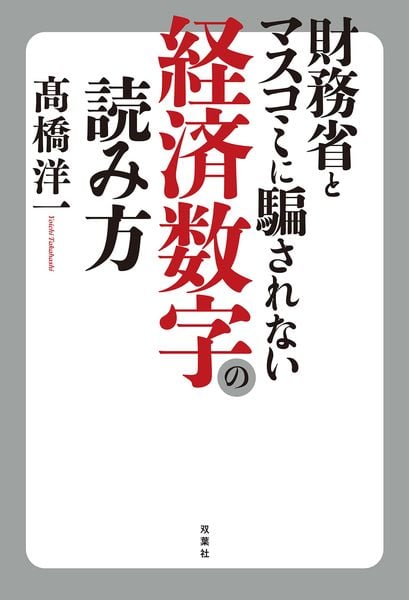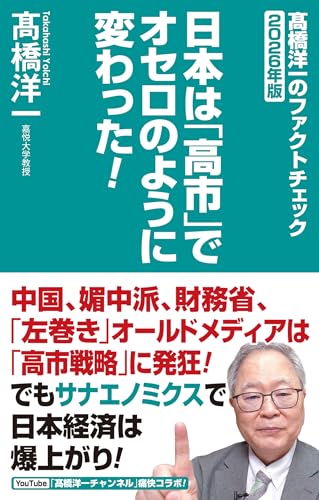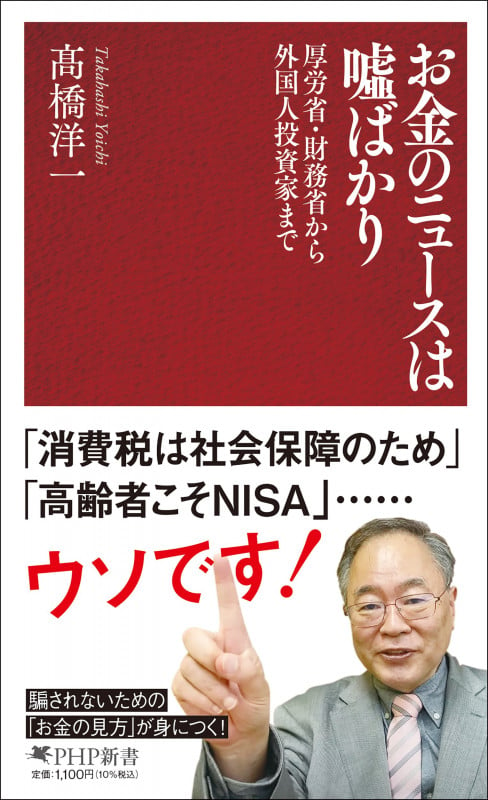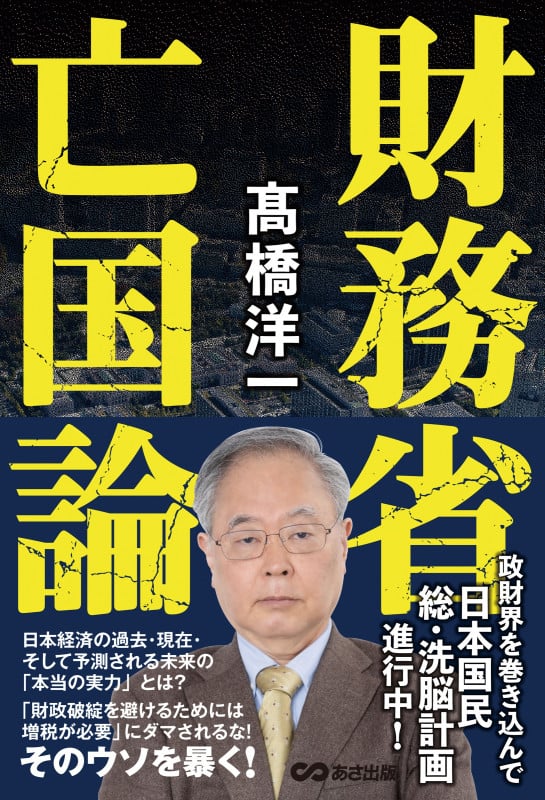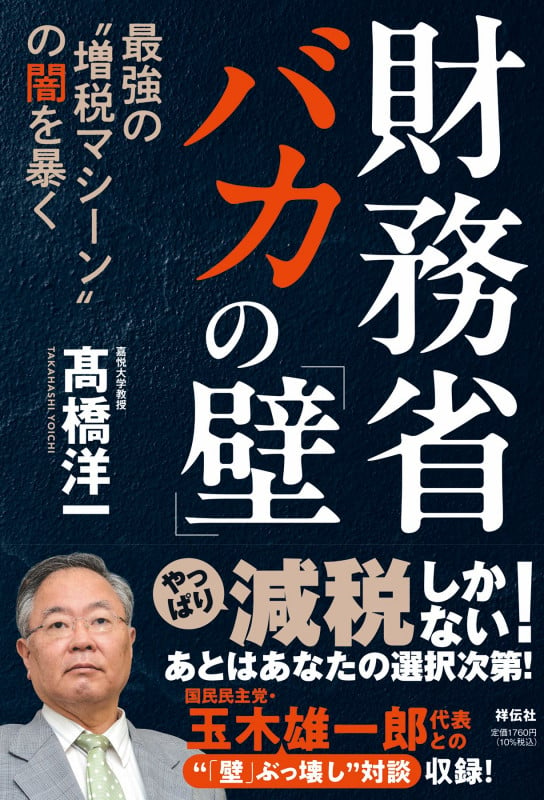
・The fact that basic deductions are low (480,000 yen) means that taxable income increases, and Japan has always carried out “stealth tax increases.” That's why the Ministry of Finance aims to confuse discussions by making it look like there are many walls so that the essence of the “wall” (= basic deduction+salary income deduction = 1.03 million yen) is not revealed (p18)
・ The “1.06 million yen barrier” refers to a situation where a person supported by a parent or spouse works 20 hours or more per week at an enterprise with 101 or more employees and their annual income exceeds 1.06 million yen, they are not dependents and must enroll in social insurance, and as a result, take-home pay decreases. The “1.3 million yen barrier” refers to a phenomenon where in companies with 100 employees or less, when the annual income of dependents exceeds 1.3 million yen, they are removed from dependents and must not be included in social findings, and take-home payments are reduced (p21)
・The financial resources required for the “103 → 1.78 million yen increase” of the National Democratic Party were 7.6 trillion yen, and the “free high school tuition” of the Meiji Restoration was 100 billion yen, so when revising the budget, the ruling party postponed discussions with the National Democratic Party and prioritized revision discussions with the Meiji Restoration (p29)
・What the Ministry of Finance is hiding is the fact that out of 150 countries that have introduced consumption tax, only Japan aims for social security (p46)
・As a reason why Japan has not grown economically, the government has not made public investments, only Japan has declined (0.9) compared to 1991, other countries have a (p48) social discount rate (= high interest rate) set to a ridiculously high figure of 4%, which is 2 to 4 times (England, Canada, America, France, Germany, Italy), and this 4% was set 20 years ago because the interest rate at that time was 4% (p49). Water pipes, etc. cannot be replaced (p143)
・It is said that Japan has a large amount of debt, but according to the IMF report, when comparing the difference between assets and liabilities with GDP, Canada has the most assets, followed by Japan (p52)
・The exchange rate is “determined by the difference in monetary policy between the two countries,” and if “the exchange rate is national power,” it means that Japan was stronger during the Democratic Party administration period than during the Abe administration period (p53)
・The reason why economic groups agree with the consumption tax hike is that insurance premiums are split between workers and employers, so corporate burdens occur, but consumption tax is small (p60)
・The reason they tried to hide the Japanese government's BS was that assets can be sold even if they have debts, so the logic of repaying debts with tax increases collapses, and there are many people who imagine roads and land when they hear assets, but most of the assets are “investments or loans to special corporations,” and if you sell them, you won't be able to conquer the country (p88)
・There are not many well-known places, but when the democratization of the postal service was implemented by the Koizumi administration, the Democratic Party government revised the Postal Service Privatization Law and was “re-nationalized” in 2012, and it was supposed to sell all shares of Japan Post and Savings Bank and Kanpo Life Insurance, but since the Democratic Law administration changed the law, everything other than the Japan Post listing was changed to effort obligations (p50)
・Since the Abe administration implemented economic policies on a BS basis, there was no COVID-19 tax increase even after implementing COVID-19 countermeasures of 100 trillion yen, and on the other hand, the Democratic Party administration, which did not see BS, introduced reconstruction tax to issue 30 trillion yen reconstruction government bonds (p93)
・Tariffs are not paid by the exporting country that applied them, but are borne by American consumers and American manufacturers that buy parts; in simple terms, you can think that the consumption tax when shopping will rise by the tariff rate; if the product does not sell, foreign companies will also be in trouble, but of course American consumers whose consumption tax rises will also be in trouble (p134)
・President Trump warned that countries that have introduced value-added tax (consumption tax in Japan) are “deemed equivalent to imposing tariffs” (= fraud not based on tariffs, 25/4/21), so there is a possibility that they will seek some kind of correction or revision against the Japanese tax system, consumption tax is not imposed on exported goods (= export tax exemption system), and export companies can receive the consumption tax paid at the time of purchase as a refund. From an American perspective, the consumption tax refund amount It only seems that the price competitiveness of Japanese exporters will increase, but exporters do not make money with it, so it is the president's “difficult habit” (p140)
・The reason for keeping the storage location of stored rice a secret is “stockpiled rice, which is a matter of life and death, must not be taken away,” but the important reason for keeping it a secret is that the relationship between the storage destination and the country must never be revealed. Touching the story of where to store stockpiled rice is taboo in itself (p152)
・The hometown tax payment system is the only “tax credit system” in Japan, excluding political contributions (p158)